| |
|
| Hanoi Launches Smart Traffic Control Center as ITS and AI Traffic Applications Move into Full-Scale Deployment |
|
|
|
| Emily |
Published: :2026/1/23 |
|
|
|
|
|
| |
|
| |
|
|
| In mid-December 2025, the capital of Vietnam, Hanoi, officially launched its Smart Traffic Control Center—an initiative the city government describes as the “brain” of urban traffic management. The system connects 1,837 AI-enabled cameras deployed across 195 key intersections and arterial corridors, integrates 188 intelligent traffic signal control cabinets, and links them to a centralized analytics platform capable of monitoring traffic flow, violations, accidents, and public-order incidents in real time. The launch marks the culmination of Hanoi’s Intelligent Transport System (ITS) program, which has been under phased development since 2022 through pilot deployments, system integration, infrastructure investment, and regulatory alignment, ultimately forming a city-scale traffic management capability. |
| |
Hanoi’s smart traffic journey began in 2022, when the city’s Department of Transport adopted a low-risk pilot approach by testing overweight vehicle detection on the Thai Ha–Chua Boc overpass. That early system relied on sensors and electronic display boards to identify overloaded vehicles and immediately notify drivers and enforcement authorities. While limited in scope, the project served as a technical and institutional precursor to a broader surveillance and traffic-management architecture.
In the first half of 2024, Hanoi formally launched ITS pilot operations. The project was led by Viettel, which built a traffic operations center and deployed smart cameras, speed-detection equipment, variable message signs, and connected traffic signal controllers at two intersections in the Cau Giay District. These trials focused on traffic information dissemination, public transport display systems, incident response, and violation recording. At this stage, enforcement was not the primary objective. Instead, the emphasis was on validating whether traffic data could form a comprehensive situational picture and whether the system could support real-time traffic coordination at scale.
By July 2024, the Hanoi Department of Transport officially announced the operational rollout of ITS, with the stated goal of integrating traffic management, bus dispatch, parking management, incident handling, and road-infrastructure data into a unified platform. The program aims to improve transport efficiency, reduce congestion and accidents, and lay the groundwork for future electronic ticketing and public transport integration. In September of the same year, the department submitted its Phase-One ITS investment proposal to the municipal People’s Committee, with a total value of approximately VND 392 billion (around USD 15.9 million). Notably, the project adopted a service-leasing procurement model rather than a traditional hardware-purchase approach. Core components—including the traffic management center, smart signage, sensors, cameras, adaptive signal controllers, and analytics systems—were defined as functional services instead of fixed equipment assets.
From a governance perspective, the Department of Transport retained responsibility for ITS planning, deployment, and platform operations, while the police were assigned authority over public order, enforcement, and violation processing. This dual-agency governance model reflects a structure commonly seen in large-scale urban traffic programs worldwide.
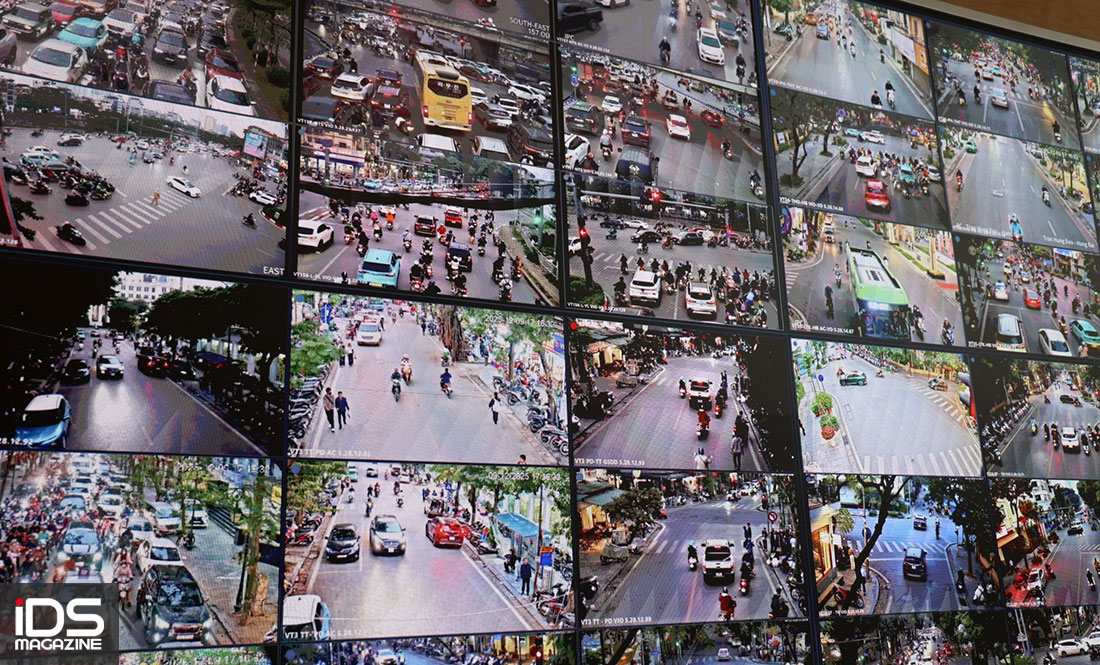
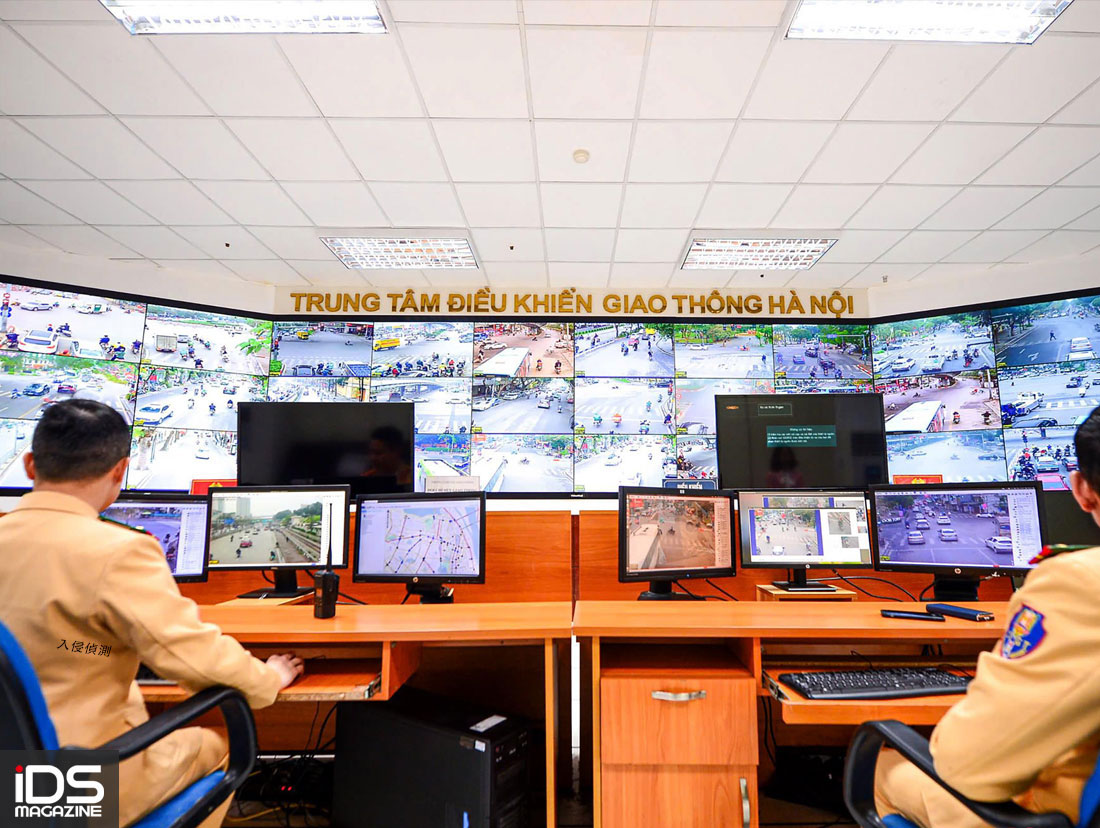
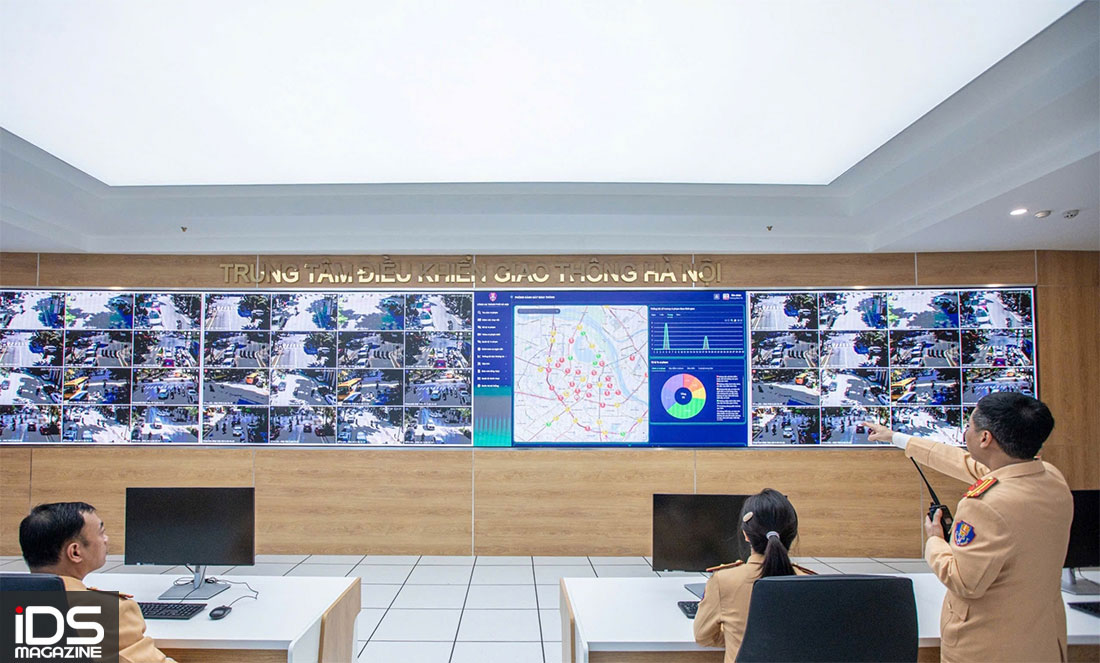
The turning point came at the end of 2025. On December 13, the Hanoi Police Department officially inaugurated the Hanoi Smart Traffic Control Center, followed by public multimedia briefings on December 16 detailing system architecture, camera deployment, and control-room operations. The center connects traffic and police video feeds through both fiber-optic and wireless networks and interfaces directly with public transport platforms, enabling cross-system command and coordination.
According to official figures, Hanoi currently operates 957 intersection cameras across 564 signalized intersections. Among them, 1,837 AI-enabled cameras cover 195 critical intersections and 25 major roads and bridges, supported by 188 AI-driven adaptive signal control units. These systems dynamically adjust signal timing based on real-time data, underscoring the city’s strategic decision to treat roadway video as a primary data source for urban traffic governance.
Internally, the control center operates across three functional layers.
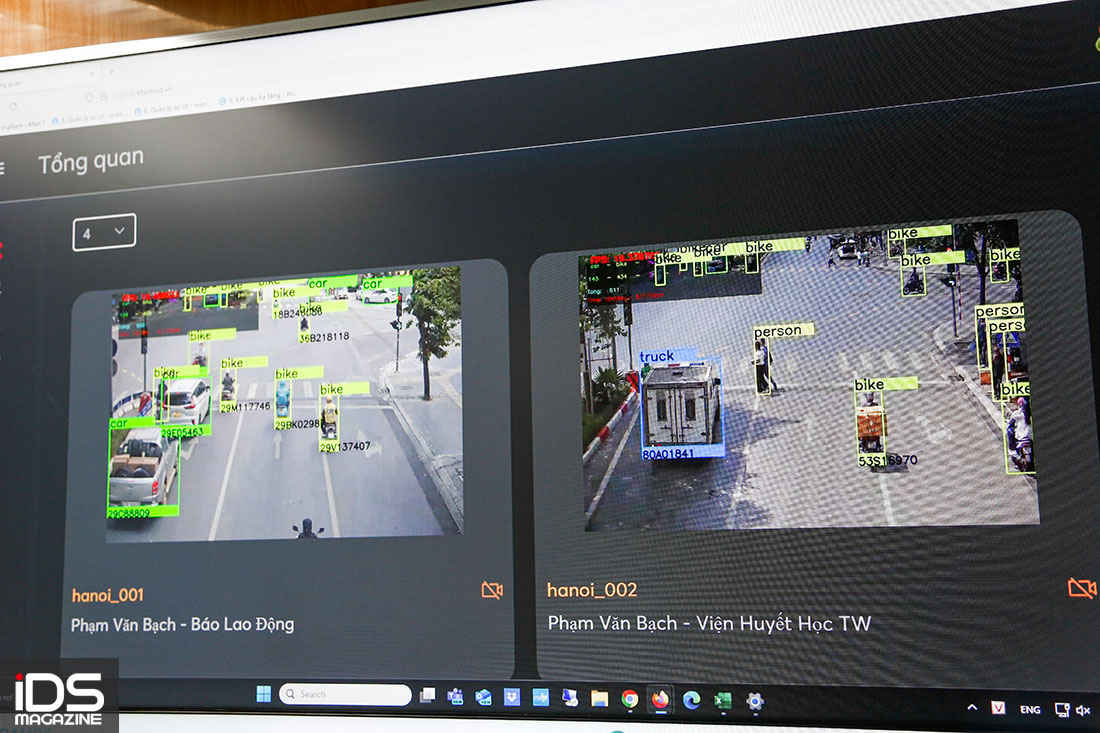
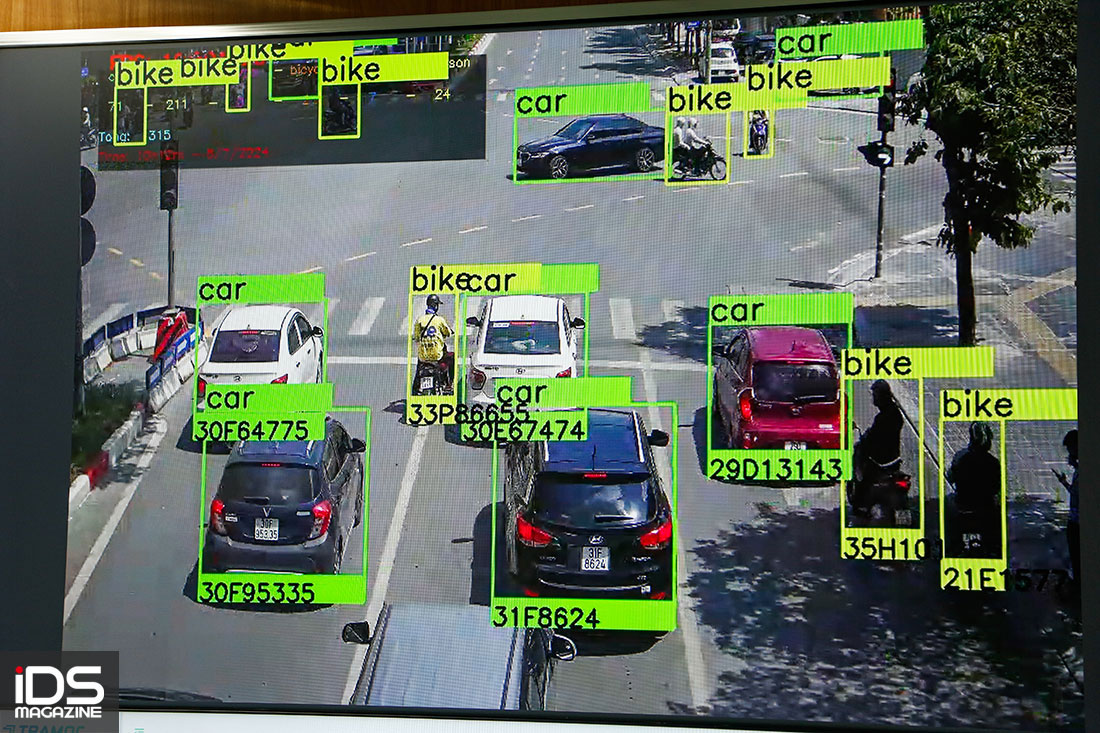
The first layer focuses on real-time sensing of traffic events and public-order conditions, detecting congestion, accidents, traffic violations, illegal parking, and road obstructions. AI models accelerate event recognition and reduce reliance on manual patrols, closing long-standing visibility gaps.
The second layer addresses traffic enforcement. AI cameras automatically capture license plates, locations, timestamps, and violation imagery. Violations are subsequently reviewed and processed by police authorities. During the initial deployment phase, the system is capable of identifying up to 28 types of traffic violations, including red-light running, wrong-way driving, lane violations, illegal passenger transport, and improper stopping.
The third layer enables adaptive traffic control. AI algorithms analyze traffic volume, queue length, and flow patterns to dynamically adjust signal cycles, improving throughput along major corridors during peak hours.
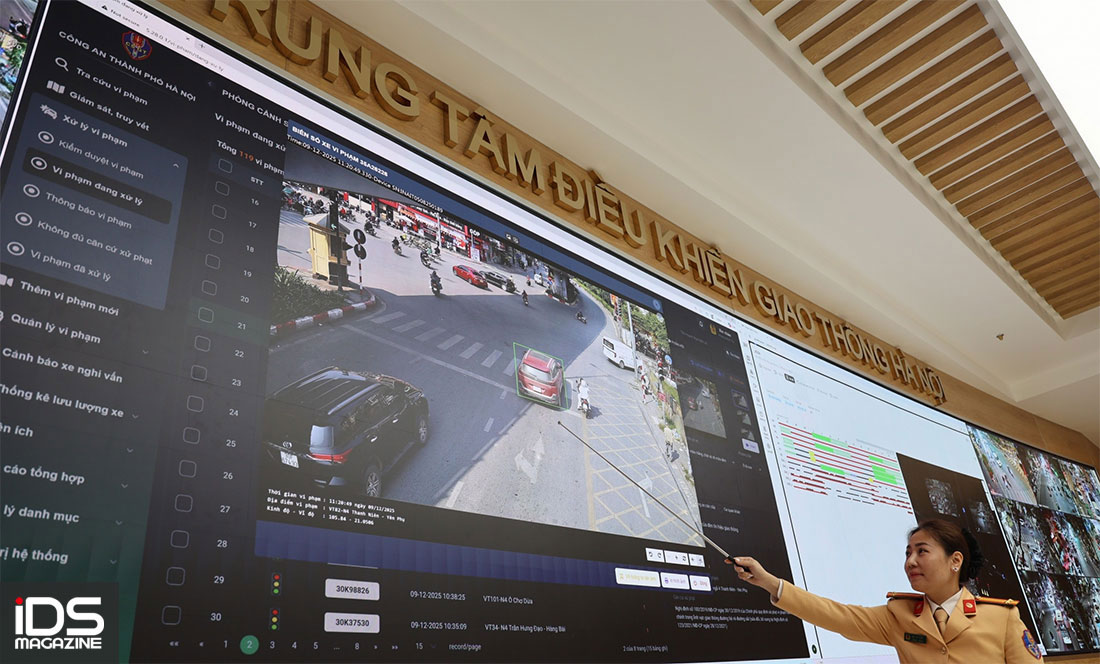
Public attention initially centered on enforcement outcomes. Within the first three days of operation, the system recorded 393 violations, 352 of which involved red-light offenses. Police authorities noted that video evidence is retained for up to 75 days to support review, adjudication, and dispute resolution, emphasizing that automated enforcement reduces on-site confrontation between officers and drivers while improving procedural clarity.
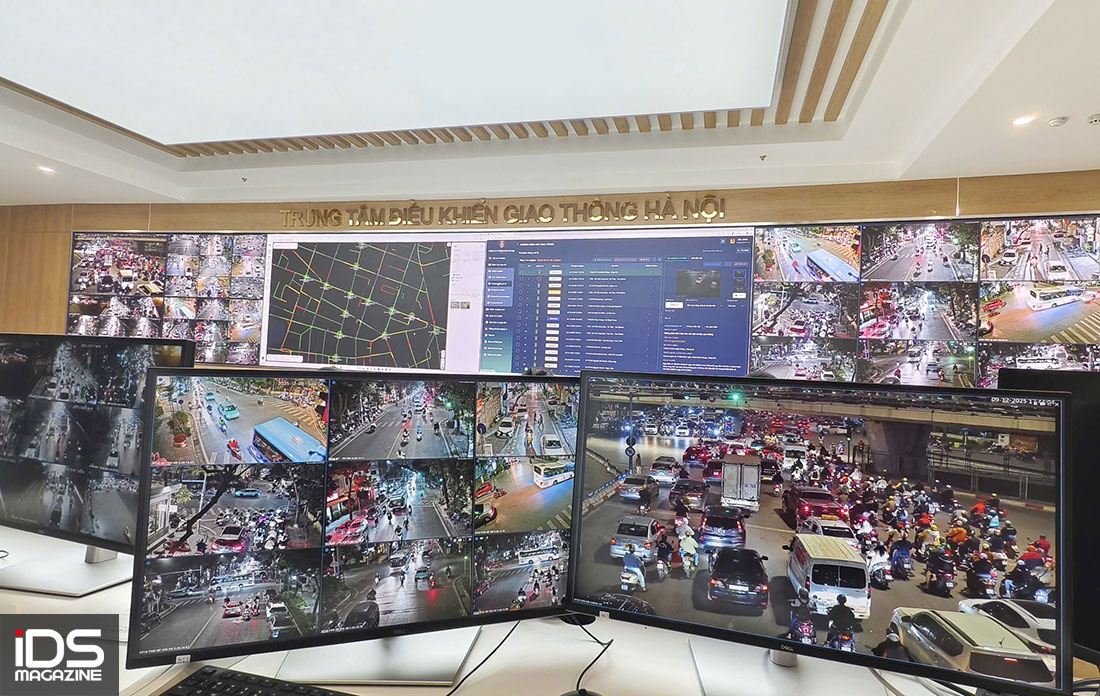
Beyond traffic enforcement, the system has demonstrated broader public-safety value. On December 15, a 78-year-old resident who went missing was located after police reconstructed the individual’s movements using the control center’s video records and issued targeted public alerts. The case reinforced the city’s positioning of the platform as an integrated traffic and public-safety asset rather than a narrowly defined enforcement tool.
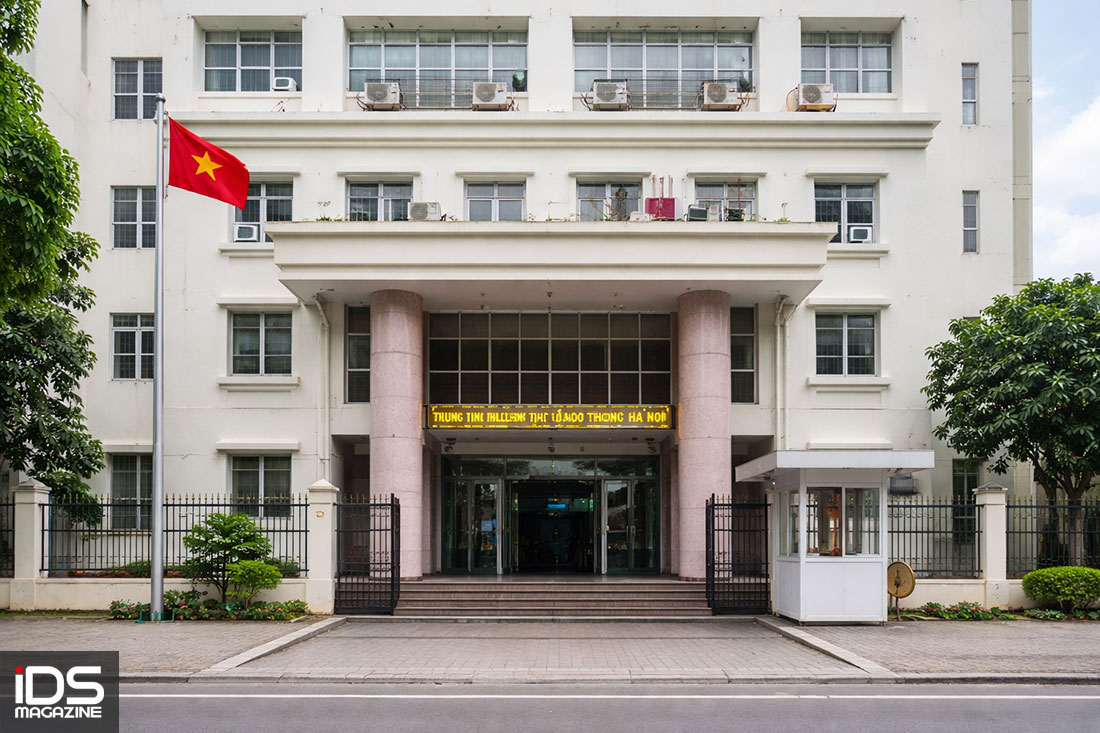
From a management standpoint, Hanoi has established a shared governance framework in which the Department of Transport leads ITS platform development and public-transport integration, while the police oversee control-center operations, violation data, adaptive signaling, incident response, and public-order enforcement. While Viettel played a central role during the pilot phase, the citywide deployment adopted a multi-vendor, IT-service leasing model. This “platform-led, supply-chain-assisted” procurement strategy is designed to prevent concentration of urban data and decision-making power within a single supplier—a forward-looking approach that stands out in the Asian smart-city market.
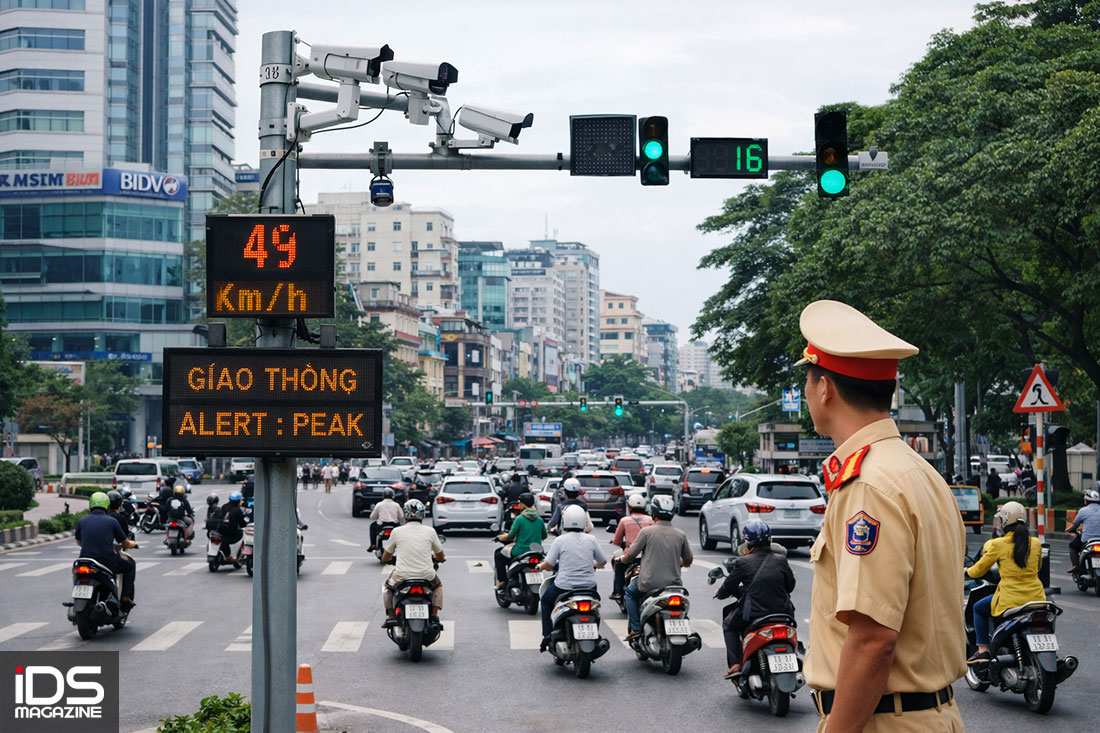
Early results from the ITS program are concentrated in three areas. First, enforcement visibility has improved dramatically, as AI cameras capture violations that previously went undocumented through manual patrols alone. Second, adaptive signal control has replaced static or semi-automated timing schemes, enabling congestion-responsive signal adjustments and improving arterial throughput. Third, cross-agency coordination has strengthened, allowing transport authorities and police to collaborate more effectively through shared video and data platforms.
Looking ahead, city officials have indicated plans to integrate traffic violation notices and real-time road conditions into the “iHanoi” mobile application, making information accessible to the public. ITS data will also be linked with broader smart-city platforms, enabling integration with environmental monitoring, public transport, parking management, and urban planning. While the current deployment of 1,837 AI cameras across 195 intersections represents only the first phase, future expansion toward full coverage of all 564 signalized intersections is under consideration—positioning Hanoi to advance toward a genuinely data-driven smart city at metropolitan scale. |
| |
| |
※The text and images in this article may not be reproduced without authorization. For licensing inquiries, please email contact@aimag.tw — [iDS Magazine Statement]※ |
|
|
|
| |
|
| |
|
|
|
| |
|