| |
|
| Six Key Trends in Access Control Applications for 2026 |
|
|
|
| Emily |
Published: :2025/12/27 |
|
|
|
|
|
| |
|
| |
|
|
| In most people’s minds, access control systems have long been seen as tools that simply manage who is allowed in and who is kept out. Looking back from the perspective of 2026, however, this understanding is clearly outdated. The global security market is undergoing a structural shift, and access control systems are evolving from standalone devices into core platforms that span security management, operational efficiency, and digital governance. They are no longer just a supporting subsystem attached to video surveillance, but are beginning to play an active role in managing the relationships between people, spaces, and data—becoming a key node in smart building and corporate governance frameworks. |
| |

From hardware devices to platform thinking
Traditional access control systems were designed around real-time decisions between doors, card readers, and controllers: if the identity is verified, access is granted; if not, entry is denied. This model works well in single buildings or closed environments. But as business operations become more distributed—hybrid offices, multi-city layouts, and cross-border organizations—the original “local-only” access control architecture has become increasingly inadequate.
By 2026, access control systems are clearly moving toward platform-based and system-oriented development. They no longer address only individual entry points, but take on responsibility for overall identity management and space utilization management. Access control is now connected to IT infrastructure, cybersecurity policies, human resources systems, and even corporate ESG metrics, making it an essential part of organizational digital transformation.
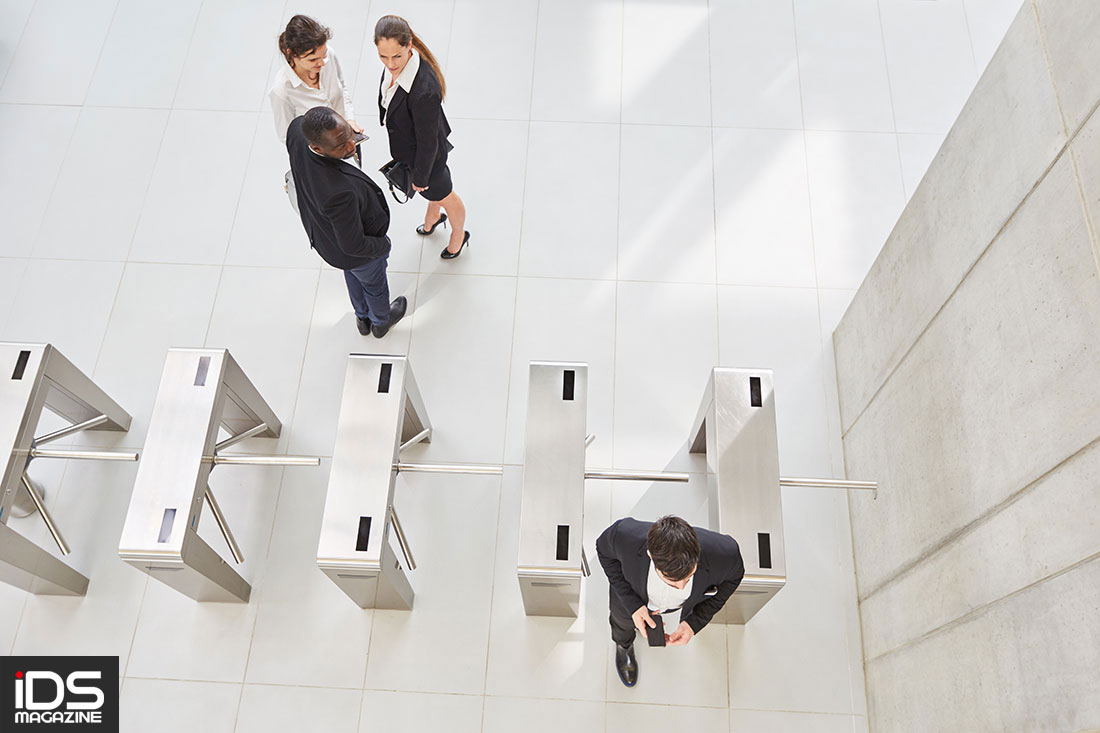
Mobility and frictionless design: when access control fades into the background
If there is one major change in access control over the past few years, it is not just the technology itself, but the fact that users barely notice it anymore. From physical cards to smartphones, and now to frictionless access combining biometric recognition and identity verification, access control is gradually disappearing from users’ conscious awareness and becoming a natural part of daily movement through space.
For users, the ideal experience is no longer pulling out a card, tapping it, and waiting for a response. Instead, the door opens as they approach—sometimes without them even realizing exactly when authentication took place. This reflects a core direction in global access control development: “security is still there, but you don’t feel it.”
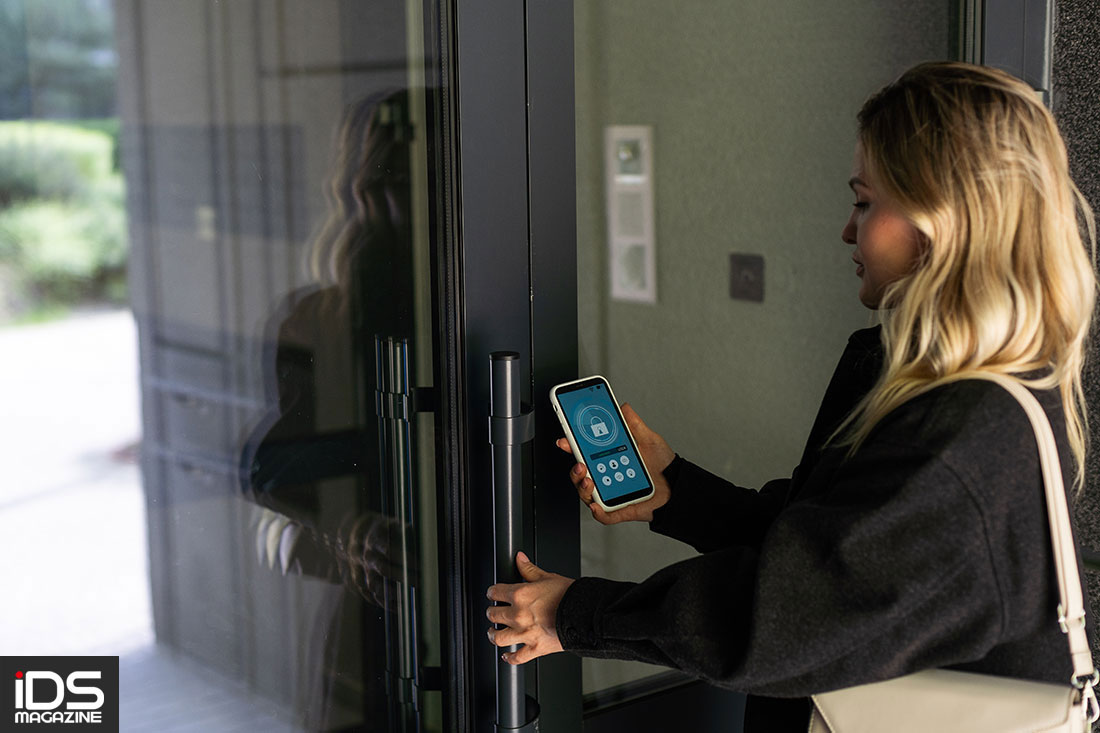
So-called “frictionless access” is not a single technology, but the result of an integrated design approach. Mobile devices play a central role, not just as replacements for access cards, but as carriers of identity, permissions, and behavioral data. Combined with Bluetooth, NFC, or encrypted backend communication mechanisms, authentication can be completed without deliberate user action. When paired with facial recognition or other biometric verification, access control becomes seamlessly embedded into movement paths. Authentication is no longer perceived as a required step, but as part of the space itself.
This frictionless design also has a tangible impact on organizations and facility managers. Access management shifts away from issuing, replacing, and collecting cards, and toward real-time authorization, dynamic adjustments, and remote management. When personnel change, visitors arrive, or access zones need temporary adjustment, permissions can take effect instantly—often before the user even reaches the site. Access control moves from a static system to a real-time tool that operates in sync with business operations.
From the 2026 perspective, frictionless access is no longer just about convenience; it reflects new user expectations. In high-traffic environments such as offices, commercial buildings, healthcare facilities, and campuses, the ability for people to move smoothly and naturally has become a key indicator of system maturity. Access control is no longer seen as a barrier to overcome, but as invisible infrastructure that enables spaces to function more smoothly.

Biometrics and multi-factor authentication
If mobility improves convenience, biometrics and multi-factor authentication redefine the level of security. In the past, risks mainly came from lost, shared, or duplicated cards, and in high-risk environments, single-factor authentication has long been insufficient. By 2026, access control architectures increasingly treat biometric authentication as a baseline, dynamically combining it with other factors based on location type, time, and risk level. Access rules are no longer fixed, but adaptive systems with risk awareness, capable of adjusting authentication strength according to context. This shift reflects how access control is steadily adopting cybersecurity thinking.
Access control starts to “understand” people, not just identify them
Once access control systems accumulate enough entry and exit data, their value extends beyond simple pass-or-deny decisions to behavioral patterns themselves. With the introduction of AI, systems can learn typical access times, movement paths, and space usage, enabling them to detect anomalies. This capability shifts access control from passive defense to proactive alerting. When an account appears at unusual times or attempts to enter areas inconsistent with its role, the system can trigger early risk assessments and response mechanisms. For large enterprises, critical infrastructure, and high-security sites, this behavior-driven security will be a key source of competitiveness after 2026.
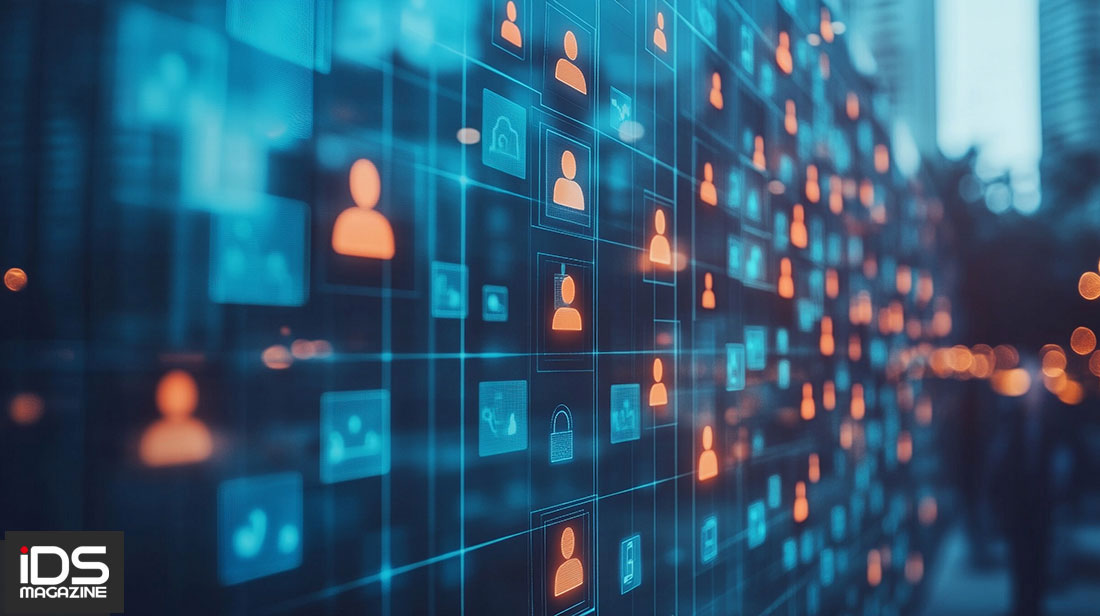
Cross-system integration: access control as a primary data source for space management
Another major trend is deep integration between access control and other building systems. When access data is linked with video surveillance, visitor management, time and attendance systems, HVAC, and lighting, access control becomes more than a security tool—it becomes a core data source for space management. This integration allows managers to move beyond “who entered” to insights such as how spaces are used, how people flow affects energy consumption, and which areas carry security or operational risks. As a result, access control data becomes a critical input for intelligent space management decisions. For organizations focused on sustainability and efficiency, the value of access control is rapidly rising from a security function to a strategic operational asset.
Cloud and remote management: access control moves toward service-based and global models
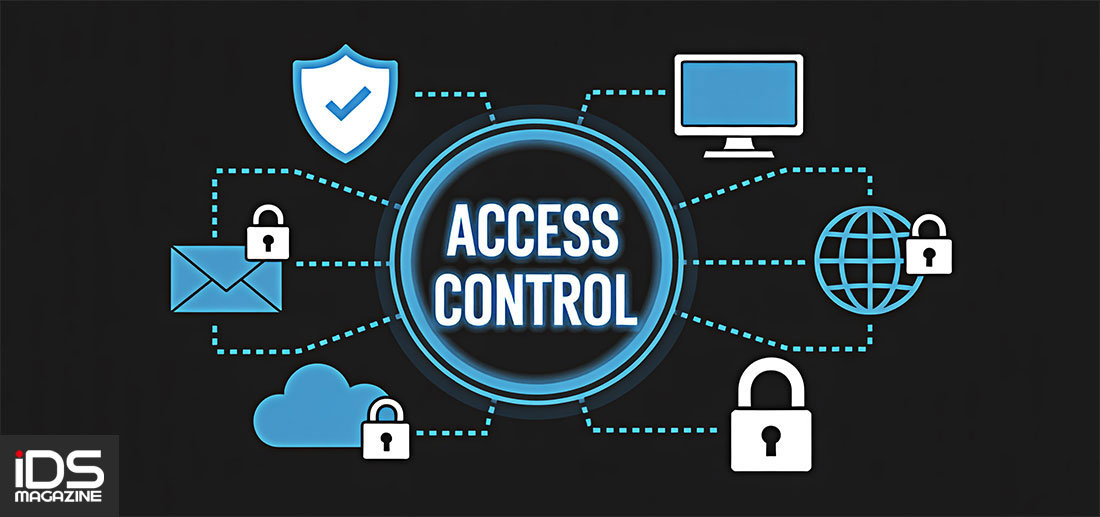
Against the backdrop of globalization and multi-site operations, cloud-based access control has become irreversible. Cloud architectures free access control from single control rooms or on-premise servers, enabling unified management across locations, regions, and countries. This shift is also driving access control toward a service-based model. Systems are no longer one-time hardware deployments, but continuously updated, scalable, and integrable security services. For users, this lowers deployment and maintenance barriers; for the industry, it signals a move away from hardware-driven competition toward long-term services and ecosystem development.
Looking at these trends as a whole, it is clear that access control is undergoing more than a technical upgrade—it is being redefined. From a “door-side device,” it is becoming a key tool for organizations to understand people, manage spaces, and enforce security policies. Standing at the threshold of 2026, access control is no longer just answering the question, “Can this person enter?” Instead, it asks, “Is it reasonable and secure for this person, at this time, in this way, to enter this space?” That capability will be an indispensable part of future smart buildings and modern organizational governance. |
| |
| |
※The text and images in this article may not be reproduced without authorization. For licensing inquiries, please email contact@aimag.tw — [iDS Magazine Statement]※ |
|
|
|
| |
|
| |
|
|
|
| |
|